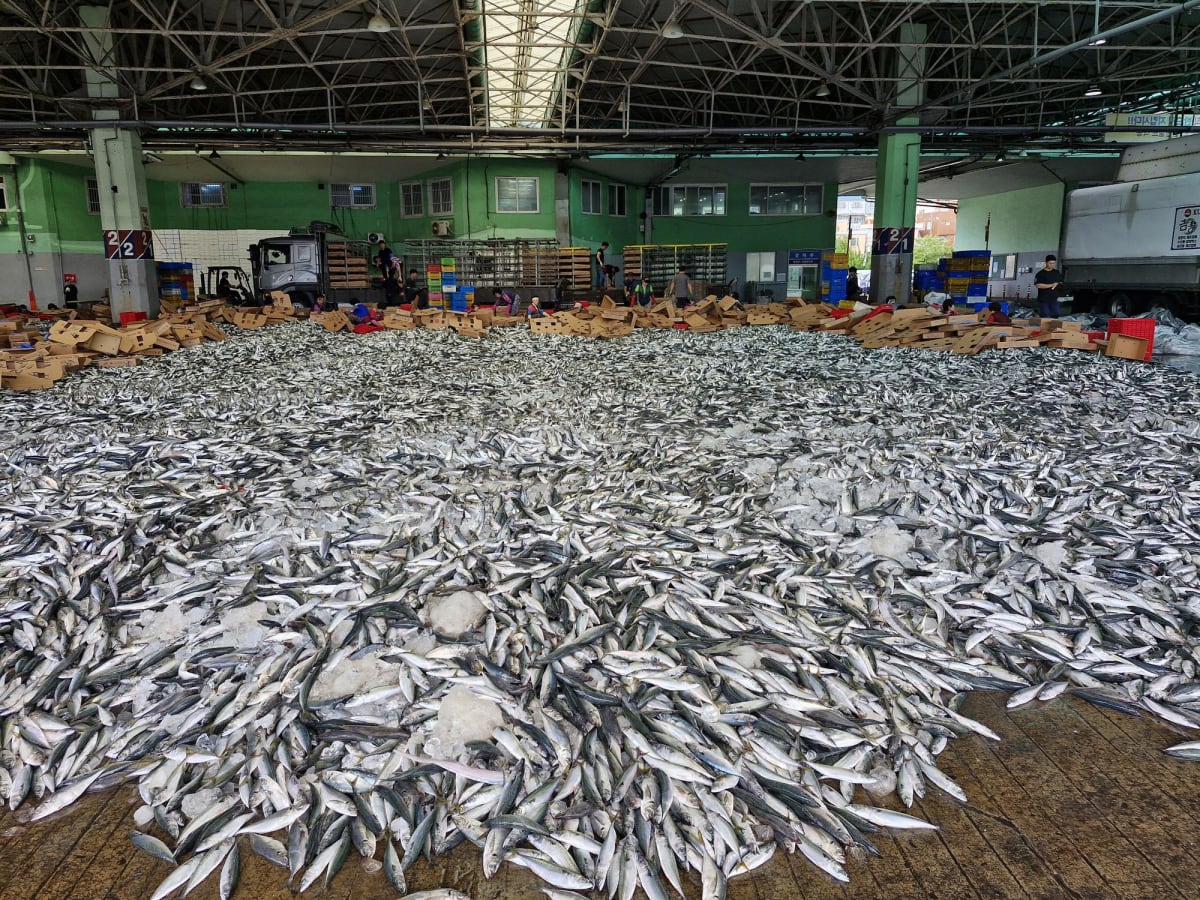
Korean Seafood Fills the World's Tables: The Successful Export Case of Hy3D (HY3D)
"We saw new opportunities amidst the instability of the existing seafood market. We believed in the potential of Korean seafood."
Recent international issues have brought significant changes to the frozen seafood (mackerel, sardines, herring, etc.) export market. As traditional seafood exporting giants like Mexico, Russia, and Japan face challenges, demand for Korean seafood is surging. Particularly, the Russia-Ukraine war and Japan's Fukushima radioactive water discharge problem have heightened importers' concerns, driving them to seek more stable suppliers. In this context, Hy3D (HY3D co.,ltd) has quickly recognized the potential of Korean seafood, achieving export performance, and gaining recognition.
Hy3D has perceived the potential of Korean seafood and actively tapped into overseas markets. However, realizing that simple exports alone wouldn't secure competitiveness, they focused on addressing structural weaknesses in the market and developing differentiated strategies.
The biggest challenge was the lack of a leading maintenance system in Korea's fisheries industry. European seafood is excellent in freshness but expensive, while Japanese seafood is affordable but not free from radiation concerns. Hy3D sought ways to ensure both price and safety, paying attention to the African market, where stable demand for grilled frozen mackerel and sardines weighing between 70g and 150g is observed.
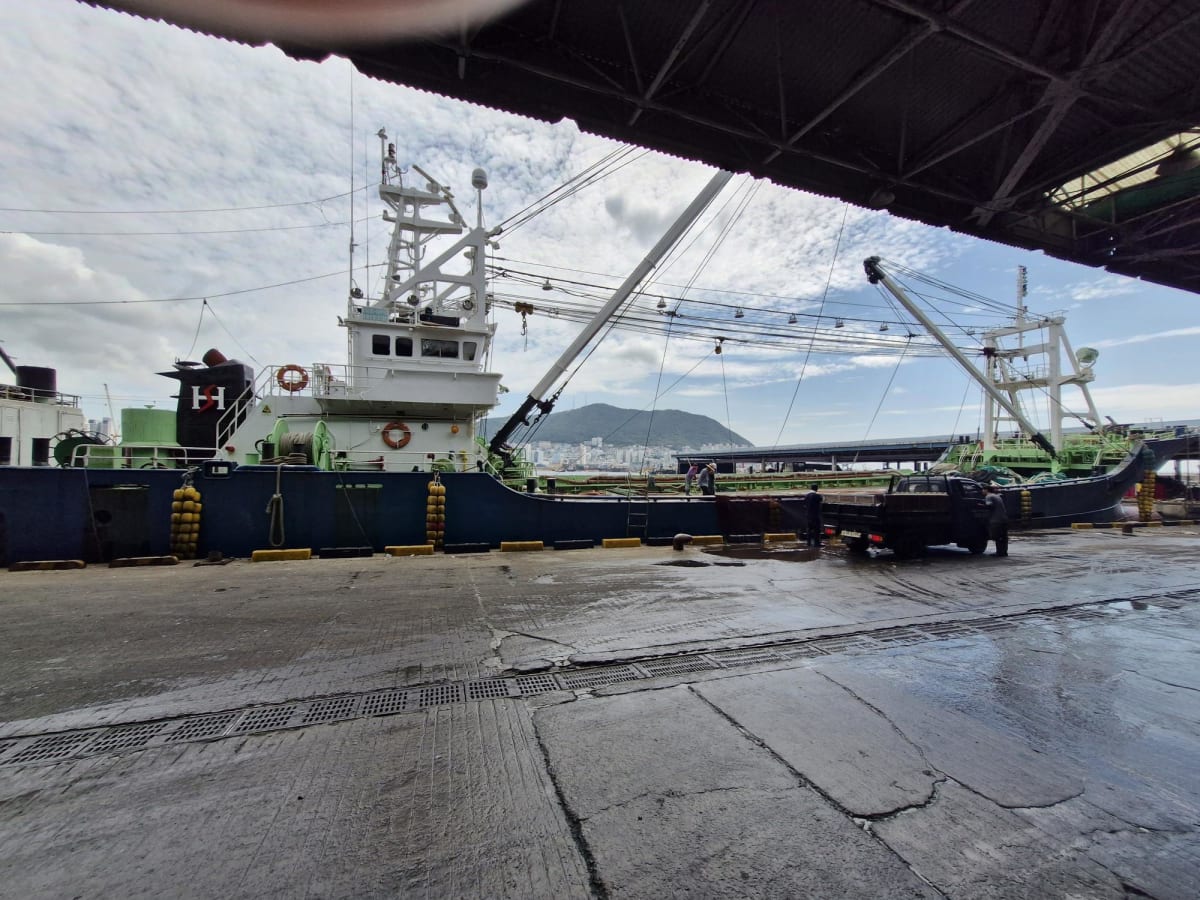
Hy3D implemented the following strategies to secure the competitiveness of Korean seafood:
Building a Supply Network: They established cooperative relationships with intermediate sellers and fisheries cooperatives across regions like Jumunjin, Samcheok, Hupohang, Busan, and the southern coast to create a stable supply system. This reliable cooperation allowed them to secure high-quality seafood.
Securing Logistics Infrastructure: By securing freezing warehouses and specialized forwarders, they established a cold chain, the key element of export logistics. They maintained freshness through rapid freezing right after catching and ensured strict temperature control throughout distribution.
Acquiring Certifications: They obtained essential certifications for exporting to Europe, such as the EU Catch Certificate, EU Health Certificate, and CERTIFICATE OF PRODUCT-SPECIFIC APPROVED EXPORTER. These certifications play a crucial role in enhancing trustworthiness in export countries.
These efforts led to tangible results. Hy3D exported 300 tons of frozen mackerel to Kali Tuna in Croatia for $240,000, with some shipments also reaching the EU market. This is analyzed as a case symbolizing the satisfaction of certification standards and the assurance of quality trust in the European market.
They plan to export 1,000-2,000 tons of sardines and mackerels next year. The strategy to expand from Africa to Europe demonstrates the market expansion potential of Korean seafood, with positive ripple effects expected for other domestic fishery companies.
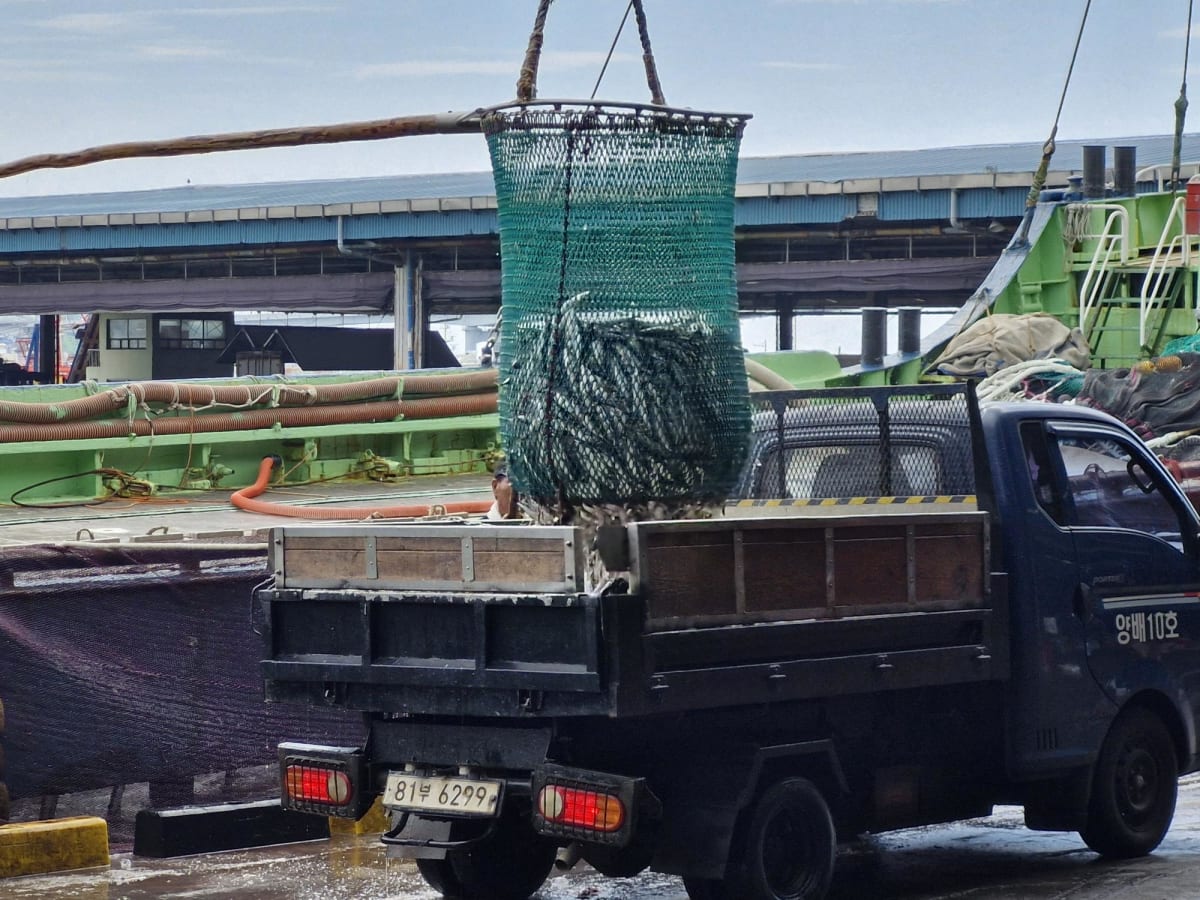
"Hy3D's seafood is really fresh and delicious. Thanks to it, our table has become even more abundant."
The reaction from customers using Hy3D's seafood is favorable. Many positive evaluations are given for freshness, taste, and the thorough quality and hygiene management.
★★★★★ – Top freshness! No fishy taste, and the texture is really springy. Even the kids love it.
★★★★★ – The packaging was meticulous, and the delivery was fast. Above all, the seafood was really fresh, which was satisfying.
★★★★★ – Reasonable price and excellent quality, so I purchase it frequently. I'm actively recommending it to those around me.
By providing high-quality, reasonably priced seafood, Hy3D is raising customer satisfaction, leading to enhanced brand image and increased repurchase rates.
Hy3D's export performance gives meaningful insights to Korean fisheries. First, a differentiated strategy is essential. Strategy formulation based on market analysis and consideration of domestic industry's limitations is required. Second, quality control is key. A thorough system for continuous quality and hygiene management is necessary. Third, active pursuit of overseas market expansion is needed, requiring strategies to reduce reliance on single markets and enter diverse markets such as Europe and North America.
Especially, qualitative changes and brand trust that customers can feel become a continuous growth base. Hy3D is continually improving by reflecting such customer feedback and growing.
Hy3D is gaining attention as a company realizing the new possibilities of the Korean seafood industry. As demand for Korean seafood increases amid concerns about the Russia-Ukraine war and Japanese radiation, its strategic role in responding to such trends has become more important.
For continuous growth, the following challenges are presented. First, constant investment in enhancing the cold chain system is needed. Second, expansion of systems for thorough quality and hygiene management is required. Third, it is necessary to expand the growth foundation through market diversification.
Hy3D is focusing on overcoming such challenges and striving to contribute to the development of the Korean fisheries industry.
In conclusion, Hy3D is playing a role in promoting the export competitiveness of Korean seafood to the world market. Through differentiated strategies, thorough quality management, and overseas market expansion efforts, it is showcasing the possibilities of the domestic fisheries industry. This success story can have a positive impact on other domestic fishery companies, further solidifying the competitiveness of Korea's fisheries industry. Hy3D is contributing to making tables around the world abundant through continuous innovation and quality improvement.
The Korean fisheries industry can further develop through the efforts of innovative companies like Hy3D. TUNAKOREA will continue to support enhancing the competitiveness of the Korean fisheries industry and expanding global market entry.
The Korean seafood market is finding new opportunities amidst changing global demand. The expansion of frozen seafood exports, such as mackerel and sardines, is an important indicator showing the potential of the overall Korean fisheries industry. TUNAKOREA is exploring sustainable growth within this trend.


No comments:
Post a Comment