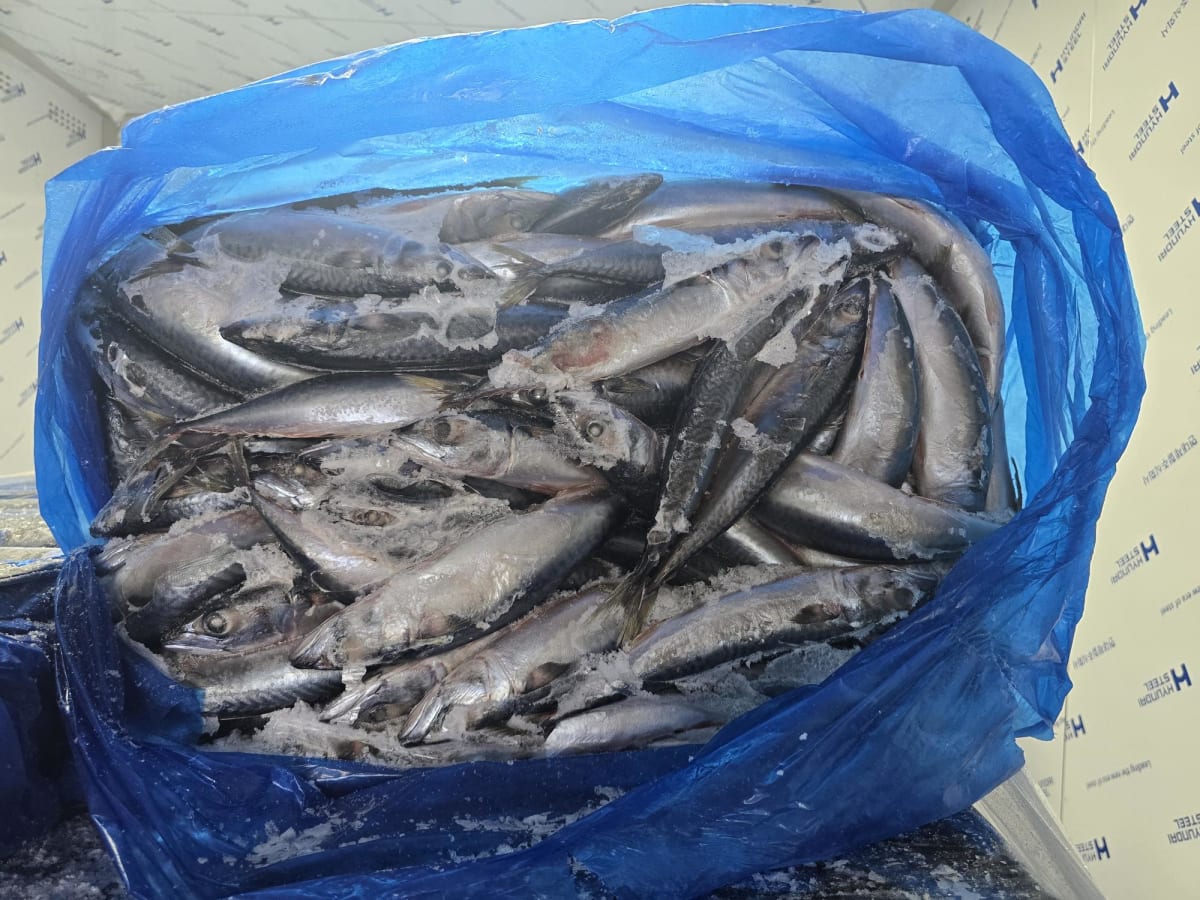
Connecting Korean Processed Food to the Global Market: HY3D's Successful Entry into the EU Market
In fact, 68% of consumers reported experiencing a failure with their first product choice. This is no exception for companies competing on the global stage. Particularly, the seafood export market is influenced by a complex blend of factors, including quality, price competitiveness, and unpredictable international geopolitical changes, which can determine a company's success or failure. Amidst this complex market environment, the case of HY3D co.,ltd's successful establishment in the European market with Korean processed foods (frozen mackerel, sardines, herring, etc.) holds significant implications for many companies. HY3D, driven by seizing opportunities amidst rapidly changing international circumstances and building thorough quality management and trust, turned the dream of entering the European market into reality. By exploring their success story, we can gain insights into the potential and future directions of the Korean processed food industry.
Finding Opportunities in Crisis: The Rise of the Korean Processed Food Market
In recent years, the global processed food market has experienced unexpected changes. The prolonged Russia-Ukraine war caused disruptions in the export of Russian processed foods, and the issue of radioactive water discharge from Japan's Fukushima nuclear power plant heightened concerns over Japanese seafood. These situations weakened the positions of existing processed food exporting countries and led to an increased demand for new supply sources. Korean processed foods, steadily growing in the African market due to price competitiveness, faced new opportunities due to these international changes. However, opportunities often come with challenges. Korea had a weakness in quality competitiveness, lagging behind European processed foods due to an insufficient cold chain system. Additionally, entering the European market amidst the scrutiny of existing strong competitors like Mexico, Russia, and Japan was no easy task. Amidst these challenges, HY3D boldly invested and employed differentiated strategies to knock on the doors of the European market.
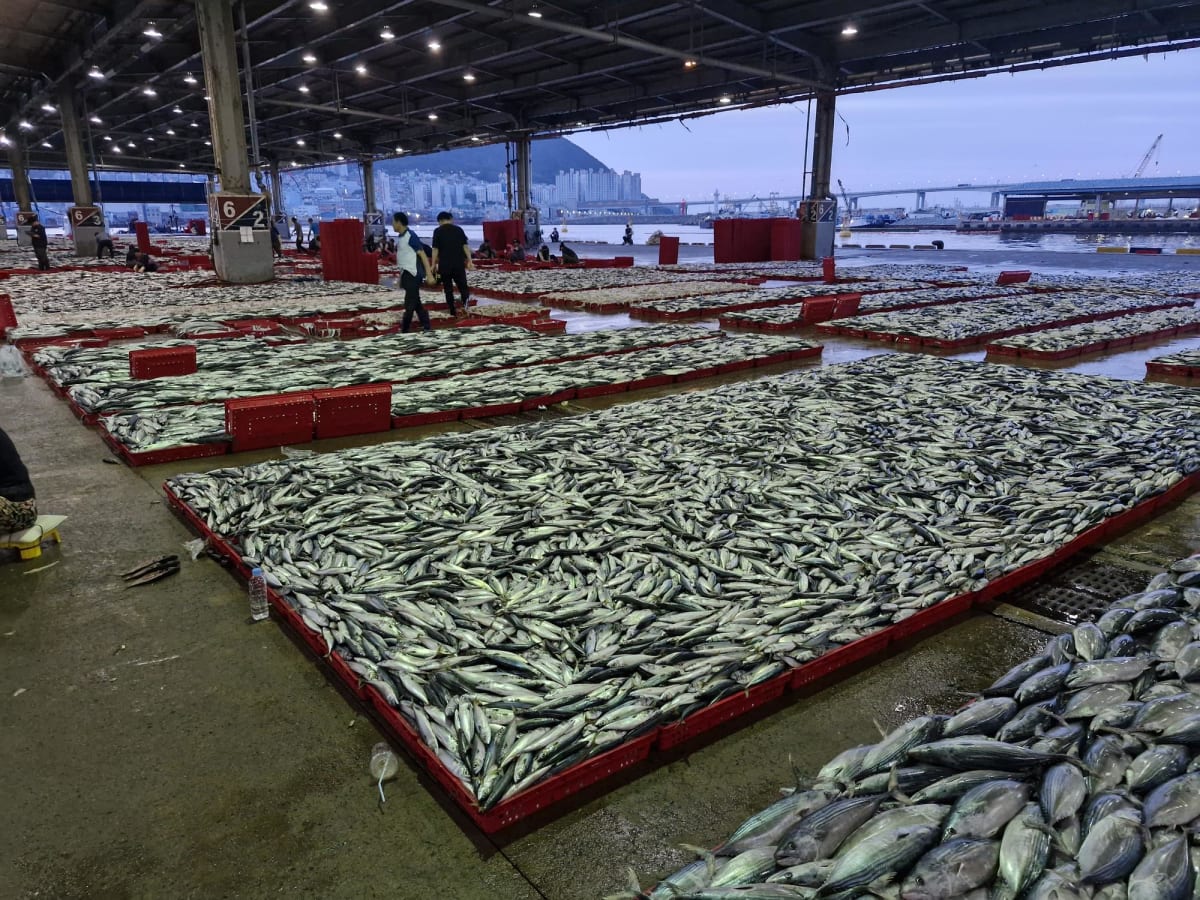
TUNAKOREA's Innovative Solution: Pioneering Markets Based on Quality and Trust
HY3D prioritized stabilizing the supply chain as its first step towards entering the European market. They established close cooperative relationships with suppliers (intermediaries and fishery cooperatives) in the East Sea (Jumunjin, Samcheok, Hupo Port), Busan, and the southern coast, and expanded infrastructure such as cold storage, forwarders, and certification systems. This effort went beyond merely securing volumes, playing a crucial role in maintaining freshness and ensuring a stable supply of processed foods. Considering seasonal changes in catch volume, HY3D focused on flexible supply chain management to maintain freshness. They also obtained EU Catch Certificate, EU Health Certificate, CERTIFICATE OF PRODUCT-SPECIFIC APPROVED EXPORTER - rigorous EU certifications - proving their products' safety and quality. This played a decisive role in gaining trust from European consumers. HY3D achieved a milestone by exporting 300 tons of frozen mackerel to Croatia through Kraljistrade for $240,000, laying the groundwork for further penetration into the European market. This was not just an export achievement but a demonstration of the competitiveness of Korean processed foods in the European market.
Remarkable Achievements: Successful Establishment in the European Market
HY3D's efforts resulted in remarkable achievements. Following the successful export of frozen mackerel to Croatia's Kraljistrade, the response from the European market was positive. Local consumers were satisfied with the freshness and taste of Korean processed foods, expressing intentions for repeat purchases, leading to more export contracts for HY3D. The positive image of "Korean processed foods are fresh and delicious" has successfully been instilled in the European market. This success not only increases HY3D's revenue but also positively impacts the entire Korean processed food industry. As awareness of Korean processed foods rises, the possibility of other companies entering the European market also increases, leading to enhanced competitiveness in the Korean processed food industry. HY3D plans to further intensify efforts to target the European market with a goal to export 1000-2000 tons of sardines and mackerel next year.
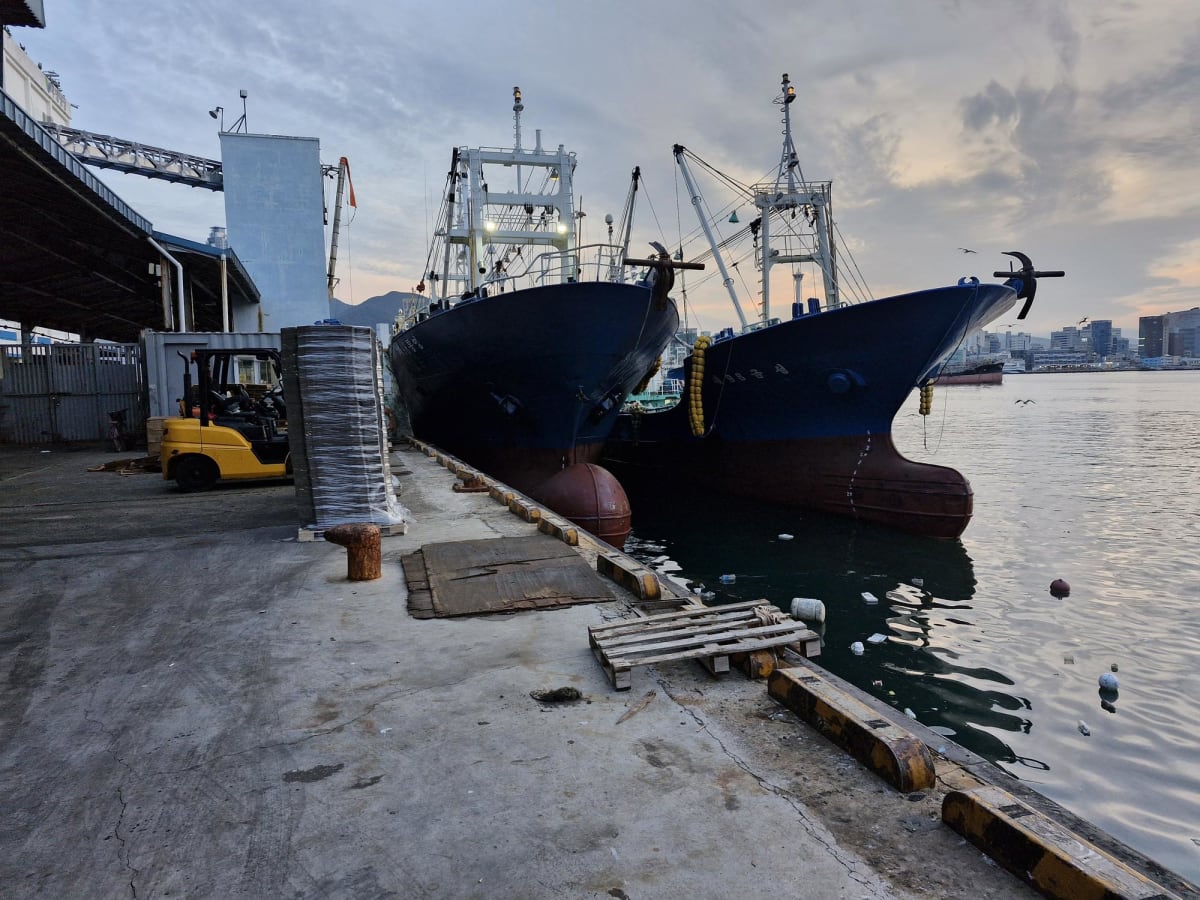
Lessons Lighting Up TUNAKOREA's Future: Continuous Innovation and Quality Control
HY3D's success story provides critical lessons for the future of the Korean processed food industry. First, an entrepreneurial spirit that seizes opportunities and boldly challenges them amidst rapidly changing international circumstances is crucial. HY3D's example of leveraging the crisis situations of the Russia-Ukraine war and Japan's radiation issues as opportunities for Korean processed food industry advancement inspires many companies. Second, rigorous quality control and building trust are essential success factors for entering the European market. Meeting the stringent certification standards of the EU and capturing local consumers' tastes are pivotal. Third, a synergy effect can be created when active government support and innovative efforts by private companies are combined. Government support, such as ODA projects, and HY3D's differentiated strategies have contributed to enhancing the competitiveness of the Korean processed food industry.
Challenges for Sustainable Growth: Enhancing Quality Competitiveness and Market Diversification
While HY3D's successful entry into the European market offers a promising outlook for the Korean processed food industry, challenges remain to ensure sustainable growth. The most important challenge is enhancing quality competitiveness. Improvements in the cold chain system, which currently lags behind European processed foods, and investment in technology development for high-quality processed food production are essential. Additionally, there is a need to diversify the export market, currently focused on Europe. Efforts to secure a stable export base centered on the African market and to pioneer new markets such as North America and Southeast Asia are necessary.
TUNAKOREA, Enriching Tables Around the World
HY3D's success story has demonstrated the potential for further growth of the Korean processed food industry in the global market. The industry will continue to contribute to enriching tables around the world through relentless innovation and quality management. TUNAKOREA is committed to supporting these positive changes and co-creating a bright future for the Korean processed food industry. TUNAKOREA will continue to actively promote the excellence of Korean processed foods globally and provide diverse support to help more companies achieve success in the international market.
This article aims to aid the development of the Korean processed food industry and HY3D's successful business expansion. TUNAKOREA will continue to strive to deliver the best solutions for customer success.
The success story created through HY3D's innovative efforts and TUNAKOREA's support serves as a great inspiration in the Korean seafood industry, guiding more companies towards achieving successful results in the global market.
Amidst the changing international circumstances and seafood market, Korean processed foods are opening up new possibilities. With frozen processed food products like mackerel and sardines produced domestically gaining recognition in various markets, including Europe, TUNAKOREA aims to sustainably continue this trend through stable supply systems and quality management.
Moving forward, the Korean processed food industry will strive for gradual growth on the global stage based on trust and competitiveness, with TUNAKOREA supporting this journey through professional support and collaboration.


No comments:
Post a Comment